

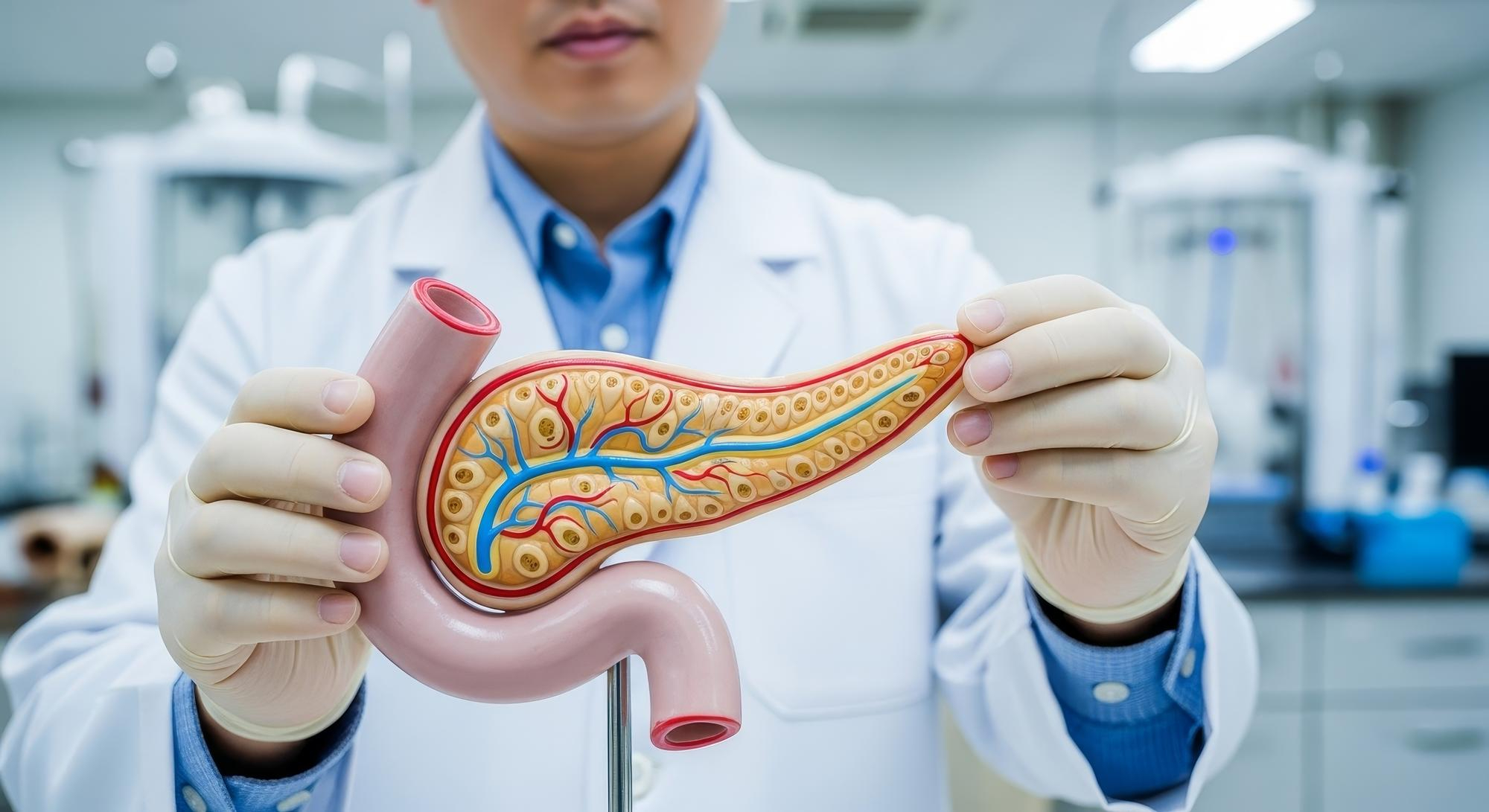
Traditional vs Modern Pancreatic Cancer Treatment What’s the Difference
A few months ago a patient walked into a gastro clinic with persistent back pain and loss of appetite. He thought it was acidity or stress. His scan later revealed a tumour in the pancreas. The shock came not only from the diagnosis but from the treatment plan which offered options very different from what he had heard years ago. This contrast between the older approach and the newer one shows how much pancreatic cancer care has changed in the last two decades.
Pancreatic cancer is challenging because it often stays hidden until it grows large enough to affect nearby organs. According to global reports it is one of the fastest rising cancers in terms of mortality because many patients reach the hospital when symptoms have already advanced. This has pushed doctors and researchers to explore methods that are more precise and less damaging to the body compared to earlier treatments.
The earlier approach
Traditional treatment was mostly built around surgery and chemotherapy. Surgery was considered the main method to remove the tumour but only a small percentage of patients were eligible because the cancer was usually detected late. Chemotherapy was often used after surgery or as a standalone option when surgery was not possible. These treatments helped some patients but they also caused severe fatigue nausea hair loss and a long recovery period.
Radiation was used as well but the effect was often limited because of the surrounding sensitive tissues. The pancreas sits close to major blood vessels and other organs which made it difficult to target the tumour without affecting healthy areas.
How modern care looks now
Over the years advances in medical science have changed the way doctors approach this cancer. Modern treatment focuses on precision. Instead of a single broad approach doctors choose plans based on the size of the tumour the stage the genetic makeup of the cancer cells and the overall health of the patient.
One of the biggest changes is the rise of targeted therapy. These medicines look for specific changes in cancer cells and attack only those areas instead of harming the entire body. Patients often experience fewer side effects. Immunotherapy is another breakthrough where the patient’s own immune system is trained to recognise and fight the cancer.
Imaging technology has grown remarkably. Scans now provide clearer views which helps surgeons plan safer operations. In some centres minimally invasive surgical methods allow smaller cuts and quicker recovery. Radiation therapy has also become more refined with techniques that focus the beam directly on the tumour while protecting surrounding tissue.
Modern treatment does not rely on one method. It often combines surgery medicines lifestyle adjustments and supportive care to improve strength and comfort during recovery. Patients find this approach more personalised and less overwhelming than the traditional plan.
Why the shift matters
Pancreatic cancer needs early recognition and careful evaluation. Modern methods offer patients more time better quality of life and a more hopeful outlook. While the disease is still serious the treatment journey has become kinder and more thoughtful because it adapts to each person rather than forcing the same routine on everyone.
Conclusion
If you or someone you know is experiencing symptoms such as ongoing abdominal pain, sudden weight loss, jaundice, or unexplained fatigue, it is important to seek medical advice at the earliest. Early evaluation opens the door to better treatment choices. If you are seeking clarity and confidence in managing pancreatic health, Dr. Santosh Anand is here to guide you. With a blend of advanced technology, compassionate care, and years of expertise, he helps patients make informed decisions about their treatment journey. Schedule a consultation today and take the first step toward better health with trusted guidance and personalized support.